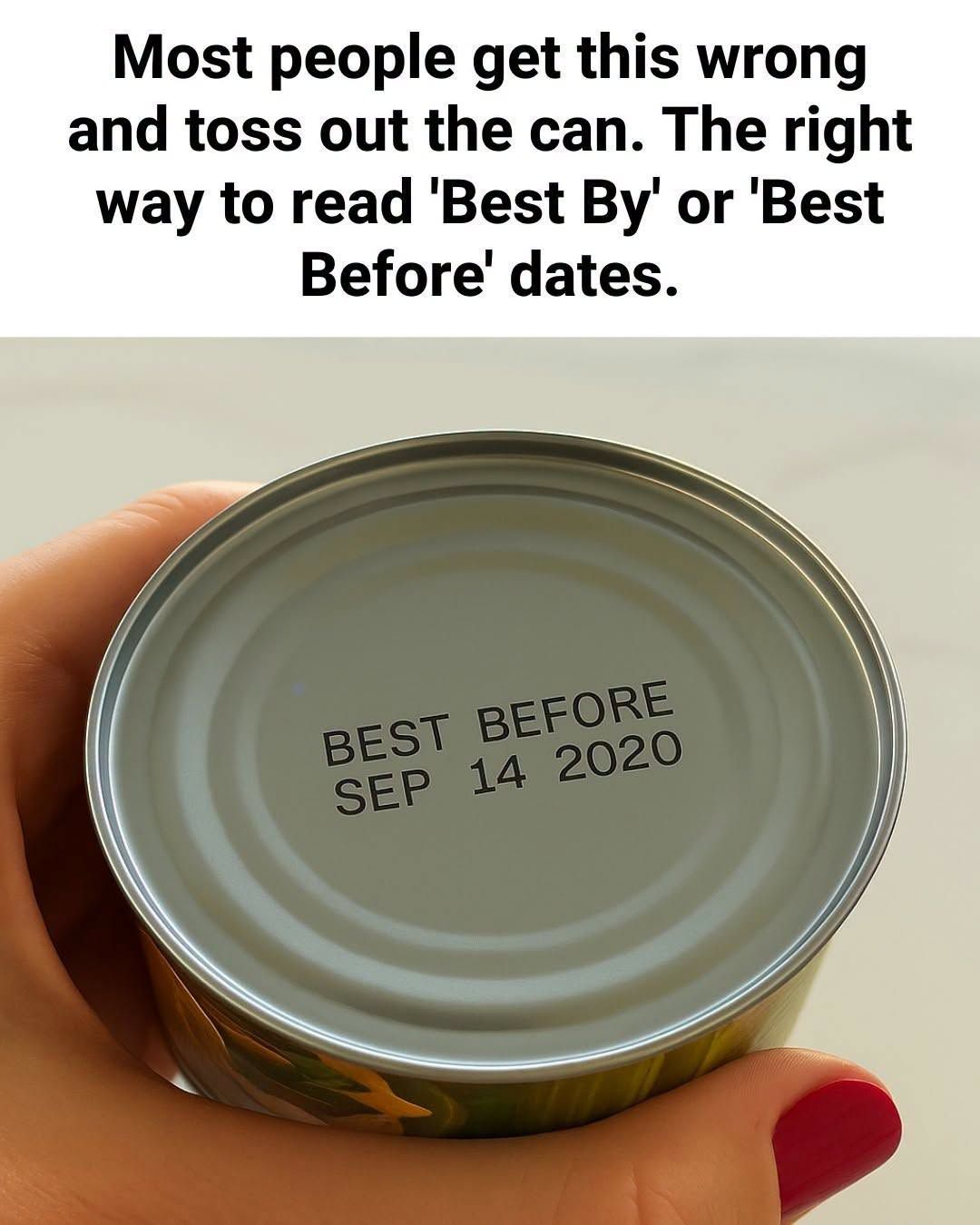
When Is a Can Actually Unsafe?
While the date alone isn’t a reliable indicator of safety, there are clear signs a can should be thrown away:
🚫 Bulging can or lid – Can indicate dangerous bacterial growth (like botulism)
🚫 Leaks or rust, especially around the seams – The seal may be broken
🚫 Deep dents, especially on edges or seams – Could compromise the can’s integrity
🚫 Odd smell, discoloration, or spurting liquid when opened – Major red flags
If you notice any of these, do not taste the food. Just toss it safely.
Why This Matters
Every year, millions of tons of perfectly good food are wasted—often because of confusion around expiration dates.
Misunderstanding these dates contributes to:
- Wasted money
- Unnecessary food waste
- Environmental damage
- Increased food insecurity
Being informed means you can:
- Stretch your grocery budget
- Reduce waste
- Use emergency food storage more effectively
- Support a more sustainable food system
The Bottom Line
Canned foods are pantry MVPs for a reason. They’re shelf-stable, resilient, and—when stored correctly—can remain safe for years beyond their printed dates.
📌 Before tossing a can, ask:
- Is the can dented, rusted, bulging, or leaking?
- Does it smell or look off when opened?
If not, it might still be a safe, nutritious, and budget-friendly meal waiting to happen.
Next time you rediscover that dusty can at the back of your pantry, don’t toss it without checking. You could be saving food, money, and the environment—all with one smart choice.