Truth About Expired Canned Food …How Long Is It Really Safe
Walk into almost any kitchen and you’ll likely find a forgotten can of beans, soup, or vegetables hiding in the back of the pantry. When people notice that the date on the label has passed, the instinct is often to toss it out.
But is that really necessary? Are those cans unsafe—or is the truth more surprising?
What Do the Dates Really Mean?
The first thing to understand is that most dates on canned goods are not about safety. They’re about quality.
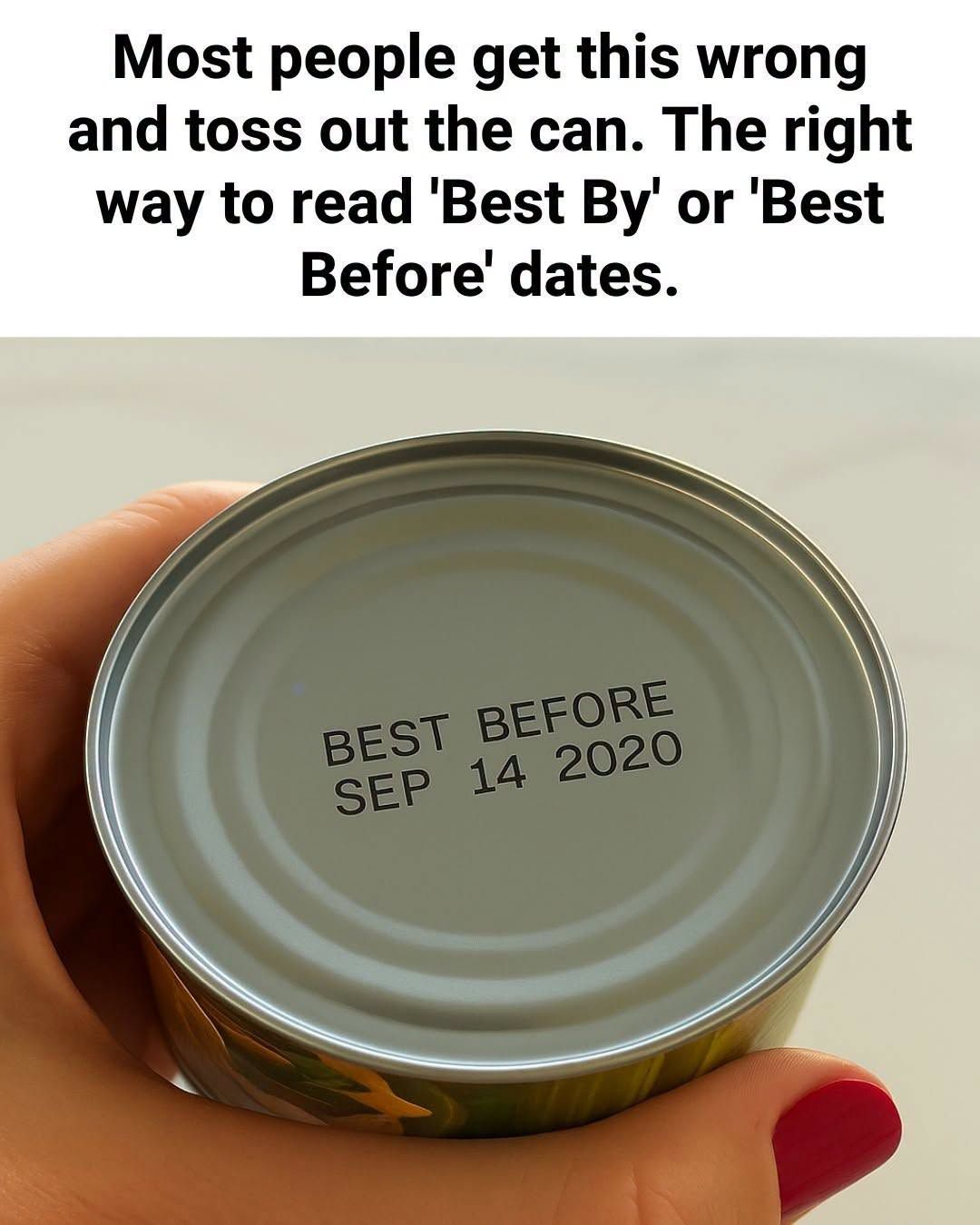
- “Best By” or “Best Before” – This date refers to when the manufacturer believes the food will be at its peak flavor and texture. It’s about freshness, not safety.
- “Use By” – This is usually reserved for perishable foods (like dairy or meat) and also refers to best quality, not a strict cutoff for safety.
So, if your canned soup is “past date,” don’t panic—it might still be perfectly fine to eat.
How Long Do Canned Foods Really Last?
When stored correctly (in a cool, dry place, away from sunlight), most canned foods last 1 to 5 years past the printed date—and sometimes even longer.
🟠 High-acid foods (like tomatoes, pineapple, or citrus):
- Shorter shelf life
- Best within 12–18 months past the date
🟢 Low-acid foods (like beans, corn, and canned meats):
- Can last 3–5+ years or more if stored properly
💡 USDA Tip: As long as the can is intact and undamaged, canned food can remain safe indefinitely. Taste and texture may degrade, but the food won’t suddenly become unsafe.